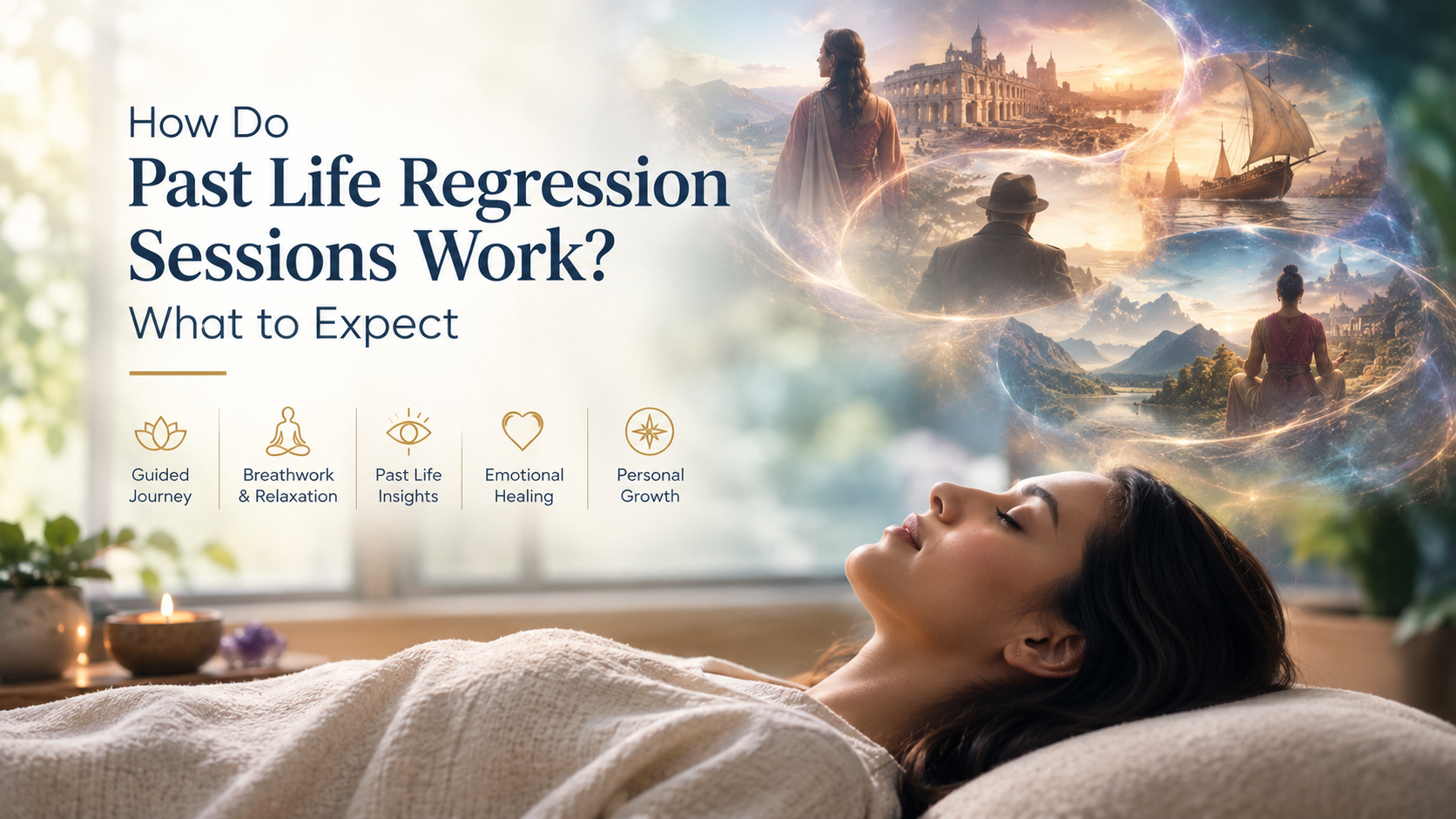
Ever walked into a room and felt like you’d been there before? Or carried a fear, a habit, or a heartache that makes no sense for the life you’re living right now?
I hear this all the time. After about 40 years of guiding people through deep shamanic work, I can tell you that curiosity about past lives is rarely about “Who was I in ancient Egypt?” It’s usually about “Why do I keep getting stuck here?”
So let’s pull back the curtain. Think of this as a friendly tour of how past life regression sessions work, what they feel like, and what you can expect when you try one.
What Is a Past Life Regression Session?
A past life regression is a guided journey into the deeper layers of your awareness, where images, feelings, and memories from other lifetimes may surface. At Spiritpath Healing, I don’t treat it as a party trick. It’s a doorway to your higher self, the Akashic Records, and the emotional residue that quietly shapes today’s choices.
Let me be upfront: past lives can’t be proven in a lab, and I never ask anyone to simply believe. What I can share, from thousands of hours beside clients on the massage table, is that the insights people receive often change how they live, relate, and feel. My clients have ranged from curious first-timers to experienced therapists, and the common thread is a readiness to look beneath the surface.
How a Session Works, Step by Step
Every journey is unique, but most sessions flow like this:
- A conversation first: We talk about what’s weighing on you: repeating patterns, stubborn fears, relationship loops.
- Settling in: You lie comfortably on the massage table while gentle acupressure and craniosacral work help your body soften.
- Breathwork: Guided breathing quiets the chattering mind and lets deeper feelings rise safely.
- The journey: I guide you into the Dreamworld, where scenes, sensations, or a quiet inner knowing may appear.
- Return and reflect: We talk through what surfaced, and I offer practical guidance for moving forward.
Why Breathwork Comes First
Breathwork for emotional healing is the engine behind everything else. Breath is the one body function that runs on autopilot yet responds to our choices, which makes it a bridge between the conscious and the deeper mind.
When we breathe in specific patterns, the body often lets go of what it has been holding, sometimes from this life, sometimes from much further back.
A few therapists and Jungians have sat on my table themselves, and their feedback has helped me explain this work in grounded, practical language. That’s why I never skip this step.
What Does It Actually Feel Like?
Short answer: more relaxing and less spooky than you’d think. (No, nobody is asked to cluck like a chicken.) People often describe:
- Warmth, tingling, or waves of energy through the body
- Tears, laughter, or both at once
- Vivid scenes, colors, or a sense of place
- A sudden “aha” about a lifelong pattern
- Deep tiredness afterward, in the best way
Some people see full movie-like scenes. Others simply feel or “know.” Both are completely valid, and neither means you’re doing it wrong.
Common Myths About Past Life Regression
After decades of doing this work, I’ve heard every myth in the book. Let’s clear up a few:
- “I’ll lose control.” Not at all. You stay aware and can return whenever you choose.
- “I must have been someone famous.” Rarely! Most people connect with ordinary lives, and the feelings matter far more than the details.
- “It’s only for spiritual experts.” Beginners are welcome, and many of my clients are first-timers.
- “It will feel strange or scary.” Most people describe deep relaxation, and we always go at your pace.
The real goal isn’t entertainment. It’s understanding yourself more clearly.
What Happens After Your Session
The work keeps ripening for six to eight weeks, so don’t be surprised if emotions stay stirred up at first. Most things settle quickly once you have new awareness and trust. To support the process:
- Journal your session notes and your dreams
- Drink plenty of water
- Spend quiet time in nature
- Keep your calendar light, so you can absorb what you’ve learned
- Take a cleansing bath or shower with a cup of apple cider vinegar after each session, as I recommend to every client
I love hearing how things unfold, so I always invite clients to check back in.
Is Past Life Regression Right for You?
It may be a good fit if you feel stuck, curious, or ready for deeper shadow work, and you’re willing to stay open. Here’s the honest fine print:
- It’s a spiritual and personal-growth practice, not a replacement for medical or mental health care.
- If you take psychiatric medication, please talk with me and your doctor before booking.
- Results vary, and I never promise specific outcomes.
- Please be off marijuana for at least two weeks beforehand.
Whether you’re drawn to a single breathwork session or a full three-day retreat, online or in person, the goal is the same: to help you hear your own inner guidance more clearly. No prior experience is needed, only curiosity.
Ready to explore? Spiritpath Healing offers a free consultation, so you can ask questions and see if this path feels right. Message me on WhatsApp whenever you’re ready. Your story may be older than you think, and it’s waiting to be heard.
FAQs
1. Do I need to believe in past lives for a session to work?
No, come as you are. Some clients arrive skeptical and still receive meaningful insights, whether they see them as literal past lives, symbolic stories from the subconscious, or messages from the higher self. All I ask is openness and a willingness to stay curious.
2. How long does a session take, and can I do it online?
Transformational breathwork sessions run about three hours. My signature retreat is three hours a day for three days (about ten hours including the after-session), offered both in person and online, so you can join from the comfort of home.
3. Is past life regression safe?
Most people find it deeply relaxing, though emotions can surface, and that’s part of the process. We move at your pace, and you stay in control throughout. It isn’t a substitute for medical or mental health care, so please check with your doctor first if you take psychiatric medication or have health concerns.


Leave a Reply